Why Ireland
One reason stands above the rest: you can work while you study. Students enrolled on accredited language programmes of 25 weeks or more may work 20 hours a week — 40 during holiday periods. That covers a meaningful share of the cost on the ground.
Ireland is also the only English-speaking country left in the EU, which since Brexit has made it the natural choice for anyone who wants to stay within the Union.
Cities
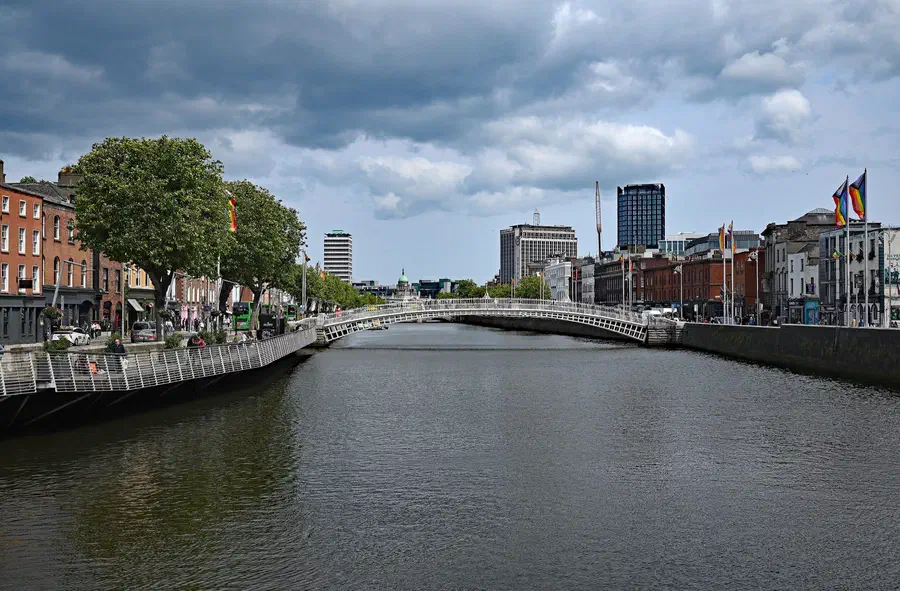
Dublin — where the schools and the jobs are. European headquarters of most big tech companies sit here, so part-time work is easier to find than elsewhere. In exchange, accommodation is expensive and competitive.
Cork, Galway — smaller, cheaper, with a warmer sense of community. Galway in particular is very student-friendly.
Visa and work
Requirements depend on nationality. For long-stay programmes with work rights, enrolment at a school on the ILEP list is mandatory — we check this when shortlisting schools.
After arrival you register for an IRP (residence permit); work rights depend on it.
Who it suits
Anyone who wants to offset costs locally, can commit at least six months, and wants to live in an English-speaking country. For a short course of 4–8 weeks, Malta makes more sense.