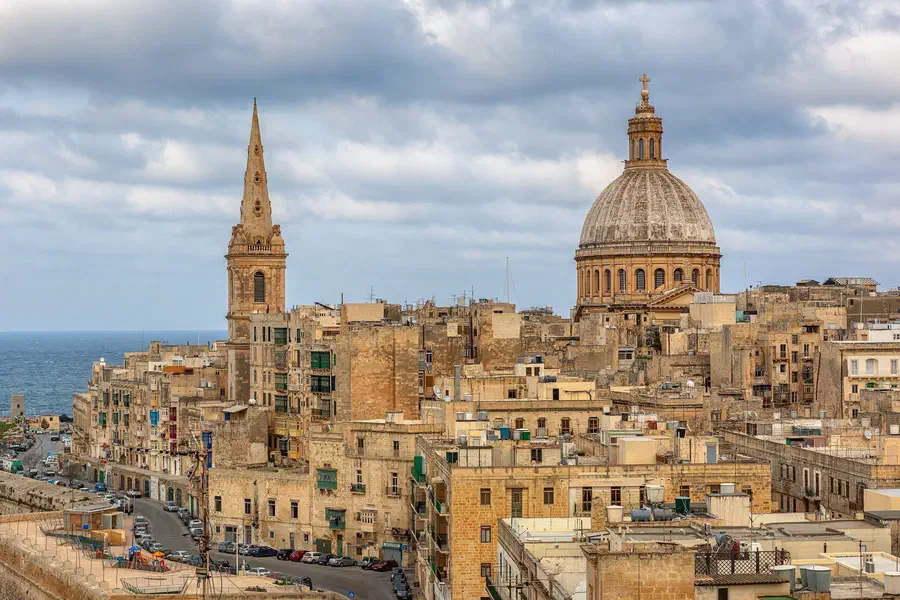
Why Malta
Cost. You get comparable teaching for close to half what the UK charges. Malta is an EU member where English is an official language, a legacy of British rule, and its schools follow British curricula and accreditation standards.
The second reason is scale: the island is small and almost everything is within walking distance or a short bus ride. For a first trip abroad that is far less draining than London.
Third, climate: sunny most of the year. In summer a language course here becomes something close to a holiday — and prices rise accordingly.
Where you’ll stay
Most schools cluster along St Julian’s and Sliema, both on the coast and dense with cafes and restaurants. St Julian’s is livelier with more nightlife; Sliema is quieter and better suited to families.
Visa and work
Malta is in the Schengen area, so Schengen rules apply. Stays beyond 90 days require a national visa.
After completing 13 weeks of study you can apply for a permit to work 20 hours a week. That starts later than in Ireland, but the lower overall cost evens things out.
Worth knowing
Malta’s accent, and the everyday use of Maltese, surprises some students. In class it makes no difference — teachers are native English speakers. But don’t expect the same immersion you’d get in the UK.